You’ve heard it before: “Wikipedia links are nofollow, so they’re worthless for SEO.” Sounds logical. Seems reasonable at first glance. Actually falls apart when you look closer.
Wikipedia’s tie to SEO isn’t just about one tiny attribution on a link. In 2025, artificial intelligence changed how people search – results feel different now. Google’s Knowledge Graph fills screens fast. Amid all that shift, Wikipedia stands out. It could be the strongest tool for SEO you’ve overlooked so far.
Forget the rumors. Here’s how Wikipedia really affects search rankings.
The Nofollow Confusion: What Actually Changed
Wikipedia made a move that people still misunderstand. In 2007, Wikipedia applied the rel=”nofollow” attribute to all external links to combat spam. Ever since, many in the SEO world have brushed it aside, convinced that nofollow “doesn’t pass PageRank.”
But something fundamental changed in 2019.
Google transitioned nofollow from a strict directive to a “hint” model. Algorithms once skipped such links entirely – today, they peek at them for meaning, connections between topics, maybe even hidden patterns. What was blocked now gets examined differently.
Now it’s not just the link but also the words around it (anchor text) in a Wikipedia reference that shape how search tools see a company’s expertise. Picture your tech firm showing up in the section about “Federated Learning” – that mention links you tightly to artificial intelligence topics, even without traditional ranking boosts. What matters is being tied, through precise wording, to core ideas in trusted articles.
One test stood out – pages nearly invisible before shot up in search results after just one mention on Wikipedia. Not because of old-school link power, though. That reference works like a signal flare, grabbing attention where it matters. It tells systems: pay notice here. Trust builds differently now. Authority shifts quietly through association rather than force.
So no, Wikipedia links don’t boost rankings like traditional backlinks. But they do something arguably more valuable.
The Knowledge Graph: Your Digital Business Card
This is where Wikipedia’s real SEO power lives.
Right there in your search results, Google lines up countless details about real things – names, spots, groups, ideas – thanks to its Knowledge Graph. These bits come together into clean snapshots called Knowledge Panels. When it comes to companies, those panels show up like digital ID tags. On a computer, they sit along the right edge. Pull out a phone, and they stretch across the top instead.
Google trusts Wikipedia because it organizes details clearly, using tools like Infoboxes. When facts are laid out this way, machines can check them fast. Getting those checks right matters a lot if you want search engines to see your business as unique. That process – pinpointing exactly who or what your brand is – is the heart of Entity-Based SEO. Without clear signals, confusion grows easily, even among names that seem different at first glance.
When a brand has a Wikipedia article, the probability of triggering a stable, feature-rich Knowledge Panel increases significantly.
The 2023 Shift: Source Diversification
Something changed, though. By the end of 2023, Google rolled out its “Killer Whale Update,” signaling a move away from relying on just one type of source. Pages about people used to show Wikipedia-linked Knowledge Panels nearly half the time – 41%. Afterwards, that number fell sharply, landing at only 12%, which means they appeared less than 70.7% as often.
Google started identifying “niche experts” through other authoritative sources. Knowledge Panels using Wikipedia descriptions dropped 50%.
Yet Wikipedia holds its ground as the top source. When it comes to sorting out what “Jaguar” means – whether a vehicle, creature, or program – most systems lean on Wikipedia’s long-standing structure. Despite shifts elsewhere, clarity often begins where it always has.
E-E-A-T and the Seed Site Proximity Model
Modern SEO revolves around convincing algorithms you’re credible. Google codifies this in Search Quality Rater Guidelines as E-E-A-T: Experience, Expertise, Authoritativeness, and Trustworthiness.
That idea about Wikipedia boosting E-E-A-T? It ties into something named Seed Site Proximity. Nearby links shape how that works across the web. The concept sticks close to established hubs online. Trust builds differently when sites cluster near those seeds. Authority shows up more clearly under those conditions
Search engines maintain lists of trusted benchmarks – The New York Times, Wikipedia, Nature.com – and measure other sites’ credibility by “hops” required to reach these sources. Instead of counting facts, algorithms count links – how many jumps it takes to land on something established. When your page ties straight to a known reference, it cuts through noise without shouting. Being near trusted names isn’t about fame; it’s about structure. Proximity shapes perception more quietly than claims ever could.
This proximity reinforces your content’s authoritativeness, especially in YMYL (Your Money or Your Life) fields like healthcare or finance, where verification standards are exceptionally high.
A personal Wikipedia page can boost credibility for specialists, startup creators, or leading professionals. Because when your official website points to that profile – showing education history and career highlights – it forms a loop of confirmation trusted by people checking facts and software gathering data alike.
Wikipedia as AI Training Data: The Future Is Now
Here’s where things get really interesting.
Even though they come from different companies, tools such as ChatGPT, Gemini by Google, and Perplexity rely heavily on Wikipedia when learning – mostly because it stays balanced, checked by users, while citing strong sources. In Generative Engine Optimization (GEO), having a page on Wikipedia tends to matter more than almost any other factor.
Check these stats:
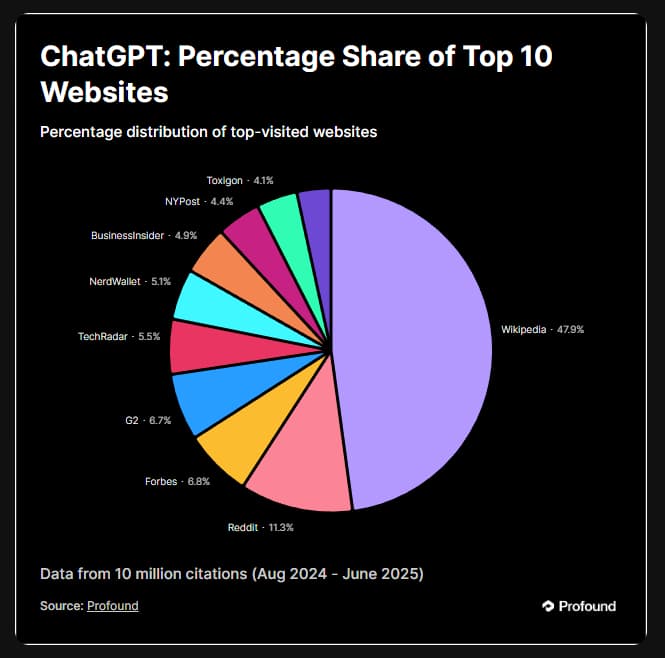
Wikipedia accounts for 47.9% of ChatGPT citations. In Google AI Overviews, Wikipedia captures 11.22% of citation share. YouTube gets 9.51%, Reddit around 5%.
There’s nearly a 50% chance ChatGPT might pull facts from Wikipedia. This creates a “credibility multiplier” — when your brand appears on Wikipedia, AI assigns higher confidence to that information, which echoes across AI-generated answers, voice assistants, and summarized search results.
One B2B startup cited on Wikipedia for “Federated Learning” saw a 31% spike in referring domain velocity as other publishers used Wikipedia as their primary research source.
Now, Wikipedia shapes how machines learn, not only boosting site rankings. Its pages feed intelligence into systems, taking over old-style searches.
The Wikipedia + Wikidata Power Combo
Most people focus only on Wikipedia. Smart SEOs also leverage Wikidata.
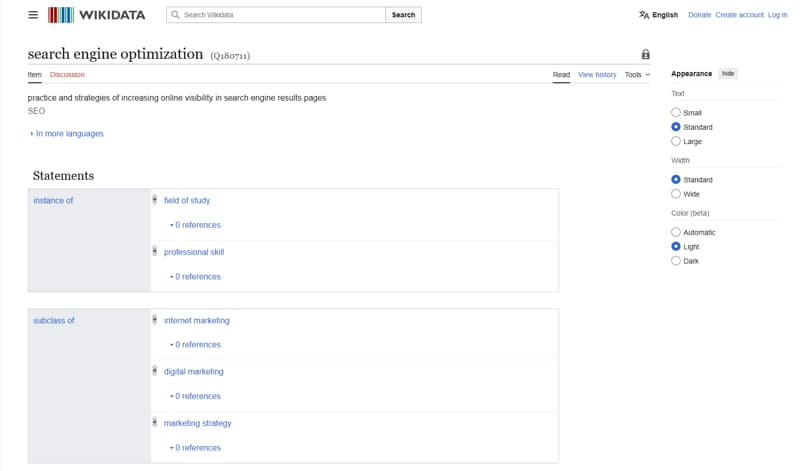
While Wikipedia provides narrative credibility for humans, Wikidata provides structured truth for machines. Where stories suit people, patterns fit computers. This network of details feeds the quick replies you see online. Search tools pull pieces from it whenever clarity matters most.
Here’s the advantage: Unlike Wikipedia, Wikidata doesn’t demand fame before listing your details. Even without a full article, basic data like where your office sits, when work began, who leads – these fit right in. Proof matters more than popularity here. Facts get space fast.
These structured facts feed into Knowledge Graph and help AI models in providing precise, factual answers about your entity.
Technical Implementation
Wikipedia links on your About page? Try using Schema.org’s sameAs property. It quietly ties your site to Wikidata, too. Pages start recognizing each other when structured data connects them. Search engines then see one clear version of your brand. Recognition builds not through repetition but consistency. Facts align without extra effort. Trust forms slowly, behind the scenes.
Referral Traffic and User Behavior
Beyond algorithmic benefits, Wikipedia drives actual human traffic.
Wikipedia sits near the top of global web rankings, pulling in countless visitors searching for facts. Getting cited on busy Wikipedia articles often brings steady streams of readers already looking for what you offer.
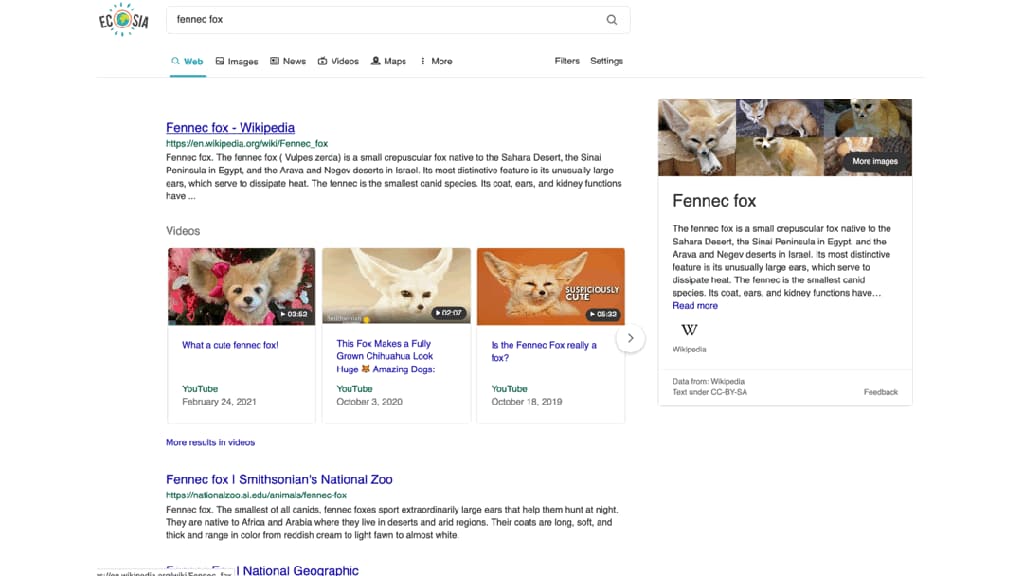
Research shows users exhibit strong “positional bias,” frequently clicking links near article tops or within summary lead sections.
More interesting: a DuckDuckGo study showed that even when Wikipedia’s prominent Information Module was removed, 95% of users who would have clicked it instead scrolled down to find the Wikipedia blue link.
Users aren’t clicking Wikipedia because it ranks high – they’re explicitly seeking it as a trusted source.
This behavior generates “branded search” volume – when users encounter your brand on Wikipedia, then later search your name directly, it sends powerful positive signals to Google that you’re an authoritative, recognized entity.
The Reputation Management Nightmare
Here’s the dark side nobody mentions upfront.
What happens when you can’t steer the story? Wikipedia sticks to neutral, checkable facts – no fresh ideas allowed. That lack of grip on content loops back in a strange way. It turns into something people call the “Boomerang Effect.”
One wrong move, and Wikipedia shows it fast. Editors trust outside reports more than company statements. When bad press pops up somewhere else, they add it quickly. Your team might bury a story online, yet here it stays clear. Visibility sticks once published there. Outside third-party voices matter most to these writers. Even small mentions elsewhere get attention inside their pages.
Once negative content is cited on Wikipedia, the Wikipedia page itself stays on page one, effectively anchoring negative information at the top of search results.
Worse, someone with bad intentions might tamper with your page out of spite. Automated tools plus community helpers usually fix clear-cut damage fast. Yet small distortions or slanted details often stick around, especially in short entries that few people watch. Years can pass before anyone notices.
Many experts advise: only pursue Wikipedia if you’re prepared for total transparency and can withstand public scrutiny of your entire history.
Ethical Strategies That Actually Work
If you meet Wikipedia’s notability requirements, there are legitimate ways to benefit.
Broken Link Building
A good number of Wikipedia entries include outdated web references – links leading nowhere. When you spot these broken links within a topic you know well, offering newer, reliable sources helps fix gaps across the platform. Fixing them gives credit where it matters, quietly boosting visibility through better information.
Citation Needed Fulfillment
A claim without backup? “Citation Needed” tool spots them fast. Links from trusted, nonprofit sources fix the gap – official reports, academic papers, or government data work well. People editing pages notice when someone adds solid proof. Good additions make articles clearer for everyone.
Create a Solid Entity Home
A strong presence starts with how well your “Entity Home” represents you – that corner of your website meant to hold clear facts. Think of it as your organization’s public record spot. It works best when written plainly, on a dedicated About Us page, focused on real milestones instead of opinions. Details like founding year, team roles, honors received matter here. Accuracy builds recognition over time, slowly shaping perception without force.
When Wikipedia editors see links pointing to sober, factual resources rather than promotional landing pages, acceptance likelihood increases significantly.
The 2025-2026 Reality: Entity Recognition Over Keywords
Wikipedia now sits at the core of brand presence, not just on the edges. When AI shapes how people search, having a page there stops being optional. Visibility leans heavily on this kind of grounding. What was once a nice-to-have shifts into something essential. Brands show up differently when algorithms drive discovery. A spot on that platform isn’t about preference anymore. It’s part of the baseline.
The decline in direct Wikipedia traffic caused by Google’s zero-click AI Overviews doesn’t diminish Wikipedia’s value – it shifts that value into the “Machine Layer” of the internet. Think of it less as a website you open, more like fuel inside AI brains learning how to respond. Not seen, but deeply embedded. Its role mutates quietly, feeding knowledge engines without fanfare.
SEO in the age of synthesis requires moving from keyword volume toward “Entity Recognition Velocity.” This means ensuring your brand’s facts are documented in authoritative databases (Wikipedia and Wikidata), verified by credible third-party sources, and connected through precise technical markup.
Bottom Line: Does Wikipedia Help SEO?
Yes, but not how most people think.
Links on Wikipedia won’t boost your site’s search ranking. That nofollow tag? It actually works. Google stops passing authority there. Rank isn’t shared across those links.
But Wikipedia helps SEO by:
- Establishing entity recognition
- Triggering Knowledge Panels
- Building E-E-A-T signals
- Training AI models
- Driving branded search
- Creating topical relevance
The question isn’t “does Wikipedia help SEO?” anymore. It’s “Can you afford not to be on Wikipedia if you’re eligible?”
For brands meeting notability requirements, Wikipedia presence in 2025 isn’t optional — it’s foundational infrastructure for entity-based search and AI visibility.
Just go in with eyes open about the reputation risks. Total transparency required. No control over content. Negative information gets permanent page-one placement.
If you can handle that, Wikipedia might be the most powerful SEO asset you’re not using.