

E-commerce in Bangladesh isn’t just growing — it’s exploding. But not in the way most headlines suggest.
You’ve probably seen the optimistic projections. Reports tossing up huge numbers like confetti. Tales of startups hitting it big. A wave of digital cash sweeping through. Sure, some of that adds up. Yet what’s actually happening? It stumbles. Twists. Breathes differently than the clean headline “Bangladesh goes digital.”
Here’s what’s actually happening on the ground.
The Numbers Tell a Wild Growth Story
Facts first. Right now, Bangladesh’s online shopping scene sits at nearly $9 billion, expected to climb to $13 billion by 2027. Growth like that stands out – especially in a place where digital buying hardly worked just ten years back.
True, numbers tell part of the story. From 2020 to 2024, the market achieved a CAGR of 11.2%. Strong, yet the sharpest leap came mid-pandemic – that moment when shopping shifted fast to screens. Today, momentum cools while city demand nears full reach.
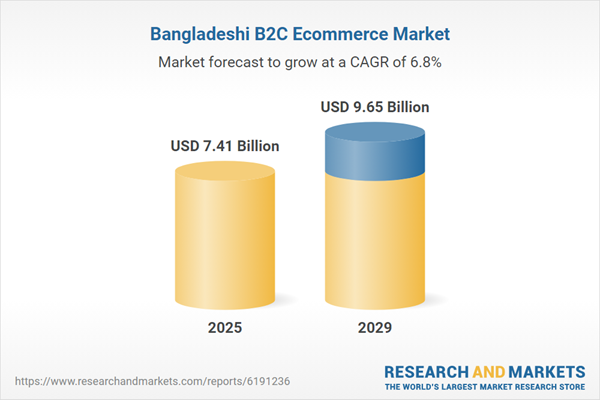
The market is forecast to grow at 6.8% to 17.7% CAGR through 2029, depending on which vertical you’re measuring. Revenue leans heavily on electronics, as well as fashion. When it comes to groceries arriving at doors, presence stays small despite some activity. As for buying across borders, hardly anything takes place.
Truth sits quietly behind the stats. E-commerce? Just a speck in Bangladesh’s retail scene. Offline stores hold the ground – busy streets, crowded bazaars, family-run stalls. Growth shows up online, yes – but starting from almost nothing changes how you see it.
What’s Actually Driving Growth
Three things changed everything for Bangladesh e-commerce.
1. Mobile Internet Went Mainstream
Bangladesh now has over 77.7 million internet users, with 104 million smartphone connections. Not only city dwellers but also folks from smaller towns and even remote spots now have access. The web reaches beyond high-income groups, touching everyday lives across varied landscapes.
Here’s the twist. Nearly 96 million individuals still lack internet access, while rural regions sit at just 36% coverage compared to cities, hitting 71%. That next wave of users everyone mentions – those people live where signals drop often, money is tight, plus doubts about digital payments run deep.
But here’s what matters right now: most online shopping happens on phones (PCMI). Computers aren’t used much anymore. When a website runs poorly on an older handset with a weak signal, it simply won’t get seen. That’s how it stands.
2. bKash Changed Everything About Money
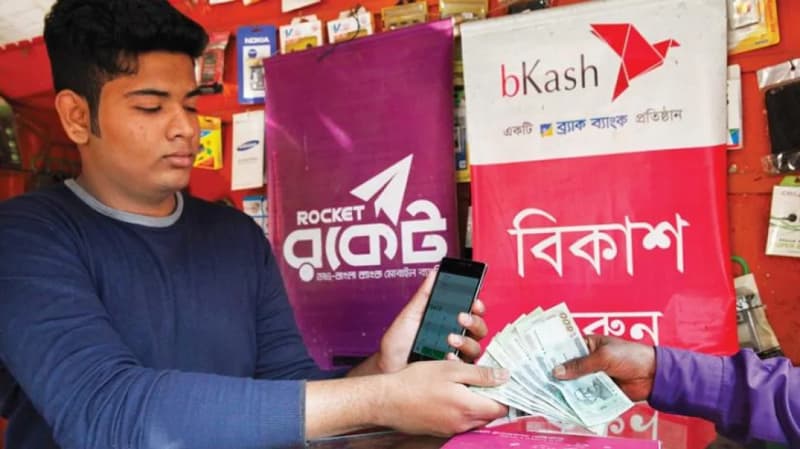
Only now are we seeing true change. By December 2024, mobile financial transactions reached 17.37 trillion taka – close to half the country’s entire economic output. Suddenly, that number tells a bigger story.
bKash, Nagad, Rocket – they do more than send money. For those without banks, these tools became everyday finance. Most transfers? 82% of MFS usage is person-to-person transfers. Yet it was this system that quietly made online trade possible in the first place.
Without MFS, e-commerce in Bangladesh would still be stuck at “email us to order.”
3. COVID Forced Adoption
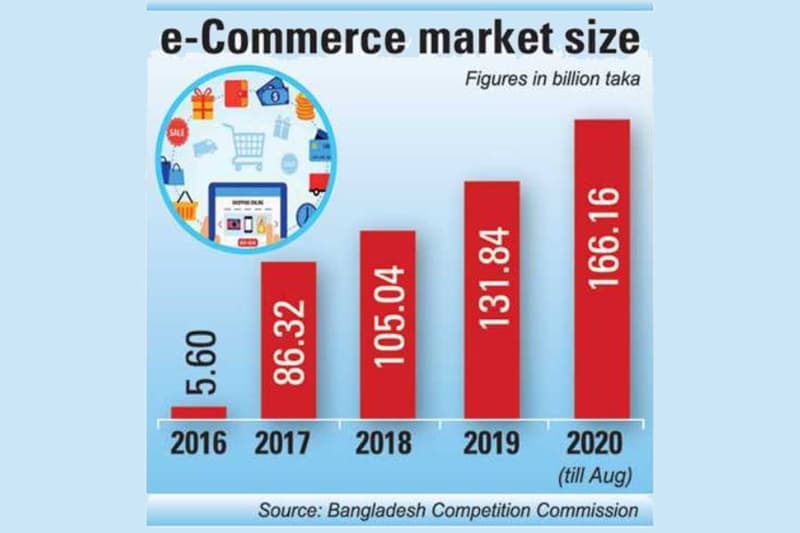
Faster change came because of the virus, possibly advancing trends by a generation. With stores closed, buying things through screens became unavoidable. Those once unsure – elders, doubters, routine buyers – found themselves clicking instead of walking. A sudden shift, unplanned yet universal.
Here’s what happened: when stores reopened, lots of people went back to buying in person. That spike wasn’t pure progress – instead, necessity pushed change, then habits stuck a little. The e-commerce companies that survived are the ones that turned temporary users into regular customers.
Who’s Actually Winning This Market
The competitive landscape is messy. You’ve got international giants, local conglomerates, and scrappy startups all fighting for the same customers.
1. Daraz: The 800-Pound Gorilla
Daraz Bangladesh, owned by Alibaba, leads in reach and infrastructure with approximately 2.5 million monthly visitors. What sets it apart? A delivery net stretched across the country, backing new sellers through training, plus smart tech that shapes what users see. Other sites simply lack the tools to keep up.
Their DarazMall vertical hosts verified brand owners to address Bangladesh’s massive trust problem. When consumers are terrified of fakes and scams, having actual brand flagships matters enormously.
Yet being top dog won’t guarantee profits. Cash vanishes fast – shipping costs pile up, vendor handouts add up, and new users demand discounts. Their bet? That more people here will earn enough to shop online year after year.
2. Vertical Players Finding Their Lanes
Generic marketplaces get headlines, but specialist platforms often perform better.
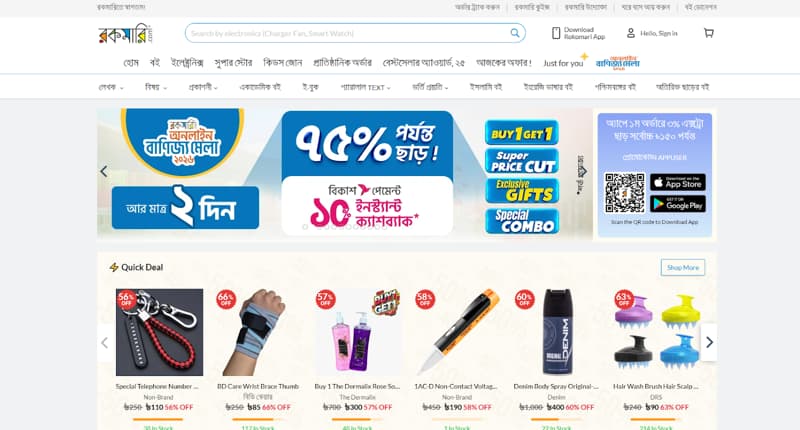
Rokomari dominates books and stationery with 1.8 million monthly visitors. Pickaboo and Techland own electronics with 373K-1.01M visitors each.
Farm-fresh produce reaches customers through Chaldal’s unique setup – no middle shelves involved. Instead of grabbing items off supermarket aisles, they pull straight from growers and makers. Hidden warehouses power the system, tucked inside cities where orders get packed fast.
But even Chaldal faces reality checks. The 2023 funding crunch forced them to halt expansion in Sylhet, Rajshahi and Gazipur. Venture capital isn’t flowing like it used to. Survive first, scale later.
3. The F-Commerce Wild West
Here’s something most international observers miss: social media commerce (F-commerce) is massive in Bangladesh, with over 66 million active social media users.

78% of F-commerce sellers in recent Dhaka-based studies were female. Pages on Facebook and Instagram turned into small businesses for women lacking access to regular market systems.
A phone and some items to sell – that’s all it takes to start. But the problems are real: no regulation, rampant fraud, zero consumer protection, massive tax evasion.
Whether they’re ready or not, social sellers will likely face new rules soon. Expect required permits plus unique business IDs (UBIN) just for online trading. The goal: pull these businesses out of the shadows. Getting official status isn’t up for debate anymore. Rules are shifting regardless of pushback from digital storefronts.
The Trust Problem Nobody Wants to Talk About
Truth sits heavy in the middle of the room. Cash-on-Delivery (COD) makes up 75% of online purchases (PCMI). Even with top-tier digital payment tools available, buyers wait until they hold it in hand. Seeing comes before paying, every time.
Exactly why? They learned the hard way – past mistakes left marks.
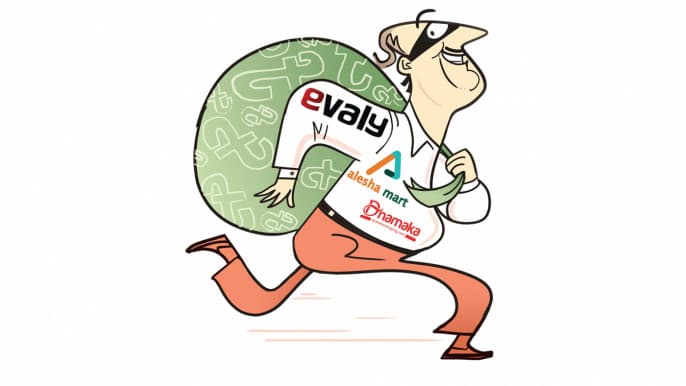

One moment everything seemed fine, then suddenly it wasn’t – Evaly vanished with people’s money. Payments went through first, yet orders never arrived, just silence. A chain of big scams followed, each chipping away at belief in online shopping. Similar high-profile fraud cases created a trust deficit that persists years later.
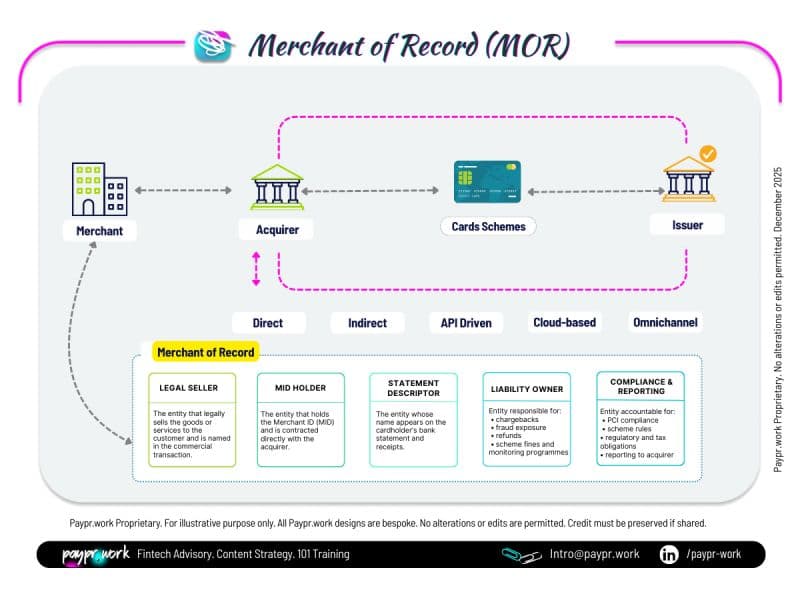
To fix this, Bangladesh Bank established an Escrow implementation committee and enacted the “Merchant Acquiring and Escrow Service Policy 2023”. Money paid ahead of time now stays with payment platforms until buyers say they’ve received their goods.
Smart policy. But adoption is slow. COD isn’t going away anytime soon because it mirrors the security consumers want – seeing the product before paying.
This throws a wrench into daily operations for online shops. When people pay upon delivery, businesses face messy tasks – counting cash, managing undelivered parcels, organizing returns, and watching for scams. Running this way burns money and wastes time. But refusing COD means losing 80% of potential customers.
Logistics: The Make-or-Break Challenge
You can have the best platform, lowest prices, and perfect product selection. None of it matters if you can’t deliver.
Fast changes mark Bangladesh’s logistics industry, set to reach $14 billion by 2026. Firms such as RedX, Pathao, and Paperfly – outside the core business – are pushing fresh ideas forward.
Robotic arms now sort packages at RedX hubs – delivery speeds jumped by 15%. Outcomes? Workflows run more smoothly, with nearly 40% efficiency. Paperfly leans on smart algorithms that learn roads and traffic patterns, too.
Daraz Express handles over 70% of Daraz’s parcels with a two-day delivery cycle for major cities.
But here’s the problem: urban delivery works. Rural delivery barely exists.
In rural settings, couriers travel long distances for just 2-3 stops, making deliveries unprofitable without route optimization and regional hub consolidation. Standard delivery to rural areas takes 5-10+ days if it happens at all.
Until logistics companies crack rural delivery economics, e-commerce growth outside major cities stays limited.
The Regulatory Environment Is Finally Catching Up
For years, Bangladesh e-commerce operated in a legal gray zone. That’s changing fast.
Firm rules shape how things run today – the National Digital Commerce Policy from 2018, followed years later by the 2021 Operational Guidelines, then tightened under the 2023 Cyber Security Act. Not up for debate; each one carries weight because enforcement follows.
Key mandates include:
- Mandatory trade licenses for all operators, including social media sellers.
- 5-10 day delivery limits with mandatory refunds for non-delivery.
- Complaints resolution within 72 hours by appointed compliance officers.
- Product descriptions and terms must be clearly displayed in Bangla.
That makes sense on paper. Yet, rules get applied unevenly across regions. Some specialists say the current system falls short, urging for a unified “E-Commerce Consumer Protection Act” along with special courts just for such cases.
The regulatory direction is clear: formalize, standardize, protect consumers. Whether that helps or hurts growth depends on implementation.
How Bangladesh Compares Regionally
Put Bangladesh next to India or Indonesia, and the picture gets interesting.
Over $250 billion – that’s what India’s tech scene brings in. Home to more than a hundred startups valued at over a billion each, it runs on complex systems built wide and deep. Not quite where Bangladesh stands today.
Yet Bangladesh holds certain edges India lacks. Relative to economic size, mobile financial services there match what UPI achieved in India. Access spread quickly, touching poorer groups more thoroughly. Lower-income people gained ground at a quicker pace.
Indonesia already sees 35% of its shoppers using digital wallets, helped by how common QRIS has become. Yet deliveries crawl between islands, tangled in endless coordination problems. Meanwhile, in Bangladesh, the land stays flat and close, easier to cross.
Pakistan’s tech sector is growing percentage-wise, but faces political and economic volatility that Bangladesh has avoided.
Few notice it, yet Bangladesh keeps moving forward without fanfare. Smaller than its neighbors, yes – still building things quietly, day after day. Growth isn’t explosive here; instead, steady steps add up over time. Drama stays absent, headlines skip it – while factories hum, exports climb, lives shift slowly upward. Other places race ahead briefly, then stumble; this country just continues. Stability? It shows in how little gets derailed. Progress creeps in where others expect leaps.
What Happens Next: 2026-2029 Projections
So is e-commerce actually booming in Bangladesh? Yes. But with massive caveats.
Close to 16 million people could be shopping online by 2029, up from today’s numbers. Around 5.2 million more will join in the next five years. Growth shows up, yet hardly surges forward. Not a sudden leap – just steady steps.
Expect big companies to swallow smaller ones over the next few years, shaping tighter tech environments. With venture cash harder to find, making real money has become essential. Those who can’t keep up might vanish or be bought out. Survival leans on solid results, not promises.
Payment habits may change – just a bit at a time – as Bangla QR and Binimoy allow faster payouts than traditional COD. Though cash isn’t disappearing, quicker access to funds could nudge sellers toward digital options. Not overnight. Barely noticeable at first.
Still split – city and countryside remain apart. Without better links plus shifts in how delivery costs play out beyond metro zones, online shopping won’t spread far past urban cores.
Bottom Line: Boom Yes, But Complicated
Is e-commerce booming in Bangladesh? Absolutely. Market growth from $4 billion in 2021 to a projected $15+ billion by 2029 is objectively a boom.
Yet things aren’t quite how quick summaries make them seem.
A surge held back by shaky faith, so deals sit in holding accounts. Cash on delivery fuels growth since buyers refuse early payment. Even with top-tier phone payments available, folks hesitate at checkout. Expansion falters past city borders – delivery just does not connect out there.
What works now is rarely about fancy tools or fat wallets. Instead, it’s those who earn confidence, untangle supply chains, handle shifting rules – without burning cash on every sale. Success hides where stability meets stubborn problems.
Out of chaos, something steady begins to take shape. Online shopping in Bangladesh now stands on stronger ground than before. Growth exploded fast, true. Yet, building lasting success across the country? Profit woven into daily transactions? Trust baked into every click? That challenge waits just beyond the rush. Big money moves here now – but staying power needs more than speed.
Start here. Firms aiming at this space – be they product sellers or service providers such as digital marketers – must see one thing clearly. E-commerce in Bangladesh is growing fast, yet that growth moves on its own tangled path: heavy on phones, shaky on trust, stuck on cash-on-delivery.
Play by those rules or don’t play at all.