Our attention spans are shorter than ever. Work, traffic, errands, deadlines, family obligations—everyday life can get really overwhelming. Whenever we’re on break time, we immediately reach for our phones for a quick hit of dopamine.
People will watch anything as long as it’s entertaining. Think about how you discover new brands. You’re far more likely to watch a 30-second product demo than read an 8-minute-long explanation about why a business is “innovative” or “customer-focused.”
As marketers, we have to cater to this selective attention. 93% of marketers think video is a crucial part of their overall strategy. This blog explores the necessity of video marketing for businesses in Bangladesh.
The Brain Processes Visual Information Faster Than Text
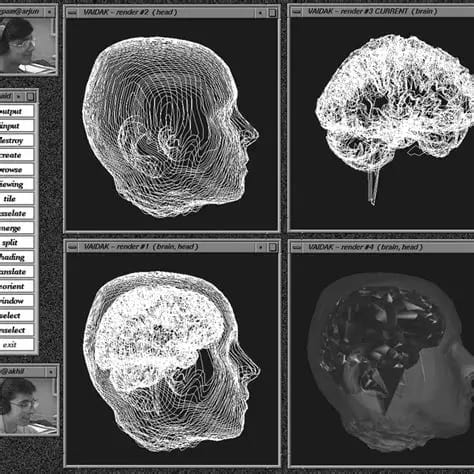
Videos have this mass appeal because they align with how the human brain processes information. When someone watches a video, they’re absorbing visuals and audio at the same time. The brain doesn’t have to pause or decode anything. Reading requires effort. You know, processing words, forming mental images, etc.
Text asks the mind to build the experience from scratch. It says, “Here are the ingredients. You cook.” Video skips that step. It hands you the finished dish. Movement, facial expressions, and tone of voice create emotional memory. People tend to forget exact words, but they remember how something made them feel.
What was the last ad or clip you remembered vividly? Chances are, it wasn’t the wording that stuck—it was the tone, someone’s facial expression, the pause before a line, you name it. This is why videos feel easier, even when they’re covering complicated topics.
Video Is a Cost-Effective Marketing Tool
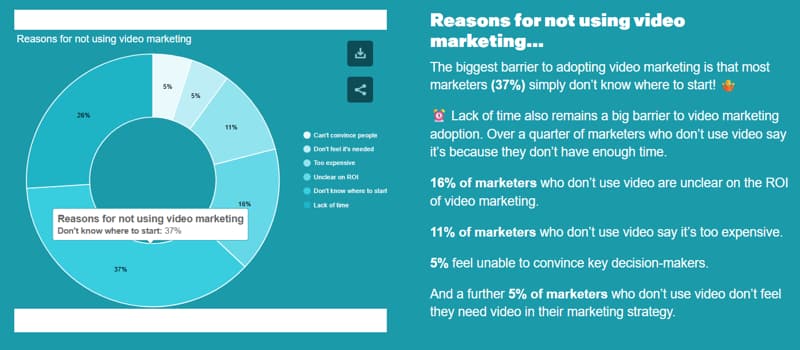
Many businesses believe in the false notion that corporate video costs are very high. For years, businesses have treated video marketing like something reserved “only for the big brands.” In reality, it’s very close to ad spend.
Also, modern production tools have demolished most of these barriers. A smartphone with a decent camera, natural lighting, and basic Capcut settings can produce a video that outperforms a static post.

For example, take this cat café in Dhaka. It’s a niche business. But instead of relying solely on word-of-mouth or flyers, the café decided to lean into video marketing. Short clips showing their resident fur babies playing, napping, or interacting with visitors. Each video is under a minute, with simple captions and playful music.
In this particular video, they brought in Sunehra, a very famous influencer. By featuring her interacting with the cats, the videos gained instant credibility and reach. What’s remarkable is that this campaign didn’t require a massive budget. The café didn’t hire a production company or rent professional equipment. They amplified engagement while keeping the budget low.
Types of Video Marketing
In a crowded digital space, you should always prioritize showing instead of telling. Video marketing is a collection of formats that each play a different role, depending on the viewer. Let’s look at some common formats we get to see in the Bangladeshi market.
Product and Service Videos
Product and service videos are the modern-day sales assistant. In fact, product videos increase purchase intent by up to 97%. By the time someone clicks on one of these, they’re no longer asking “What is this brand?” They’re asking, “Should I buy it?” It makes sense because the goal of these videos is to reduce doubt about a product. You can say your product is intuitive, seamless, and “easy to use” all day long, but words are cheap. A video can showcase a product’s worth in 30 seconds.
For example, imagine a home appliance brand in Dhaka launching a new blender. A well-crafted product video can show it chopping, blending, and cleaning up in under a minute. A potential buyer scrolling through social media doesn’t have to read paragraphs of specs or decipher complex features. They see it in action, decide whether it fits their kitchen needs, and feel confident enough to click “buy” or visit the store.
Educational Content
Educational content videos cater to a different, but equally powerful, role. Here, the aim is to be informative. Since they are educational, these videos position a brand as an authority.
For instance, imagine a Bangladeshi skincare brand creating a short “5 steps to maintain oily skin in humid climates” video. They’re not pushing products yet; they’re simply giving advice. Targeted viewers learn something, and the name of the brand pops up in their heads the next time they need skincare solutions. This is subtle persuasion at its finest.
The thing with educational content is that its primary goal isn’t to promote something. Unlike flashy ads, these videos rely on helpfulness and relevance to gain attention. And because they address real problems, they naturally pull more organic traffic.
Explainer Videos
Explainer videos are designed to make complicated products or services comprehensible. These types of videos contextualize a product. They are very important in markets where products are a bit technical or innovative.
Take a logistics startup in Dhaka offering a shipment-tracking platform. Instead of forcing users to read a manual or attend a live demo, a 90-second explainer walks through the dashboard, highlights key features, and shows a shipment from start to finish.
Also, who remembers those ads from Bkash’s early days? They would give you full-on manuals on how to open an account or pay bills.
How-To Videos
How-to videos are closely related to educational content but focus on step-by-step implementation. Picture a café posting a “How to Brew Specialty Coffee at Home” video. As you follow along, the brand quietly positions itself as the one that knows its craft. People stick around when content actually helps them get something done. Task-based videos keep viewers on the page longer and make them more likely to come back. It’s engagement plus conversion rolled into one format.
Testimonials
Testimonial videos work because people don’t trust brands by default. When a customer is considering a purchase, their brain is asking one question: “Has this ever worked for anybody else?” A testimonial answers that question instantly.
Testimonial videos don’t convince people to buy. They make buying feel less risky. Written testimonials can be edited or cherry-picked. For service-based businesses, testimonial videos function as pre-qualification tools. Video captures context that text simply can’t. You can see hesitation, confidence, relief, etc. Those small cues signal authenticity, even if the viewer isn’t consciously analyzing them.
It Supports the Entire Customer Journey
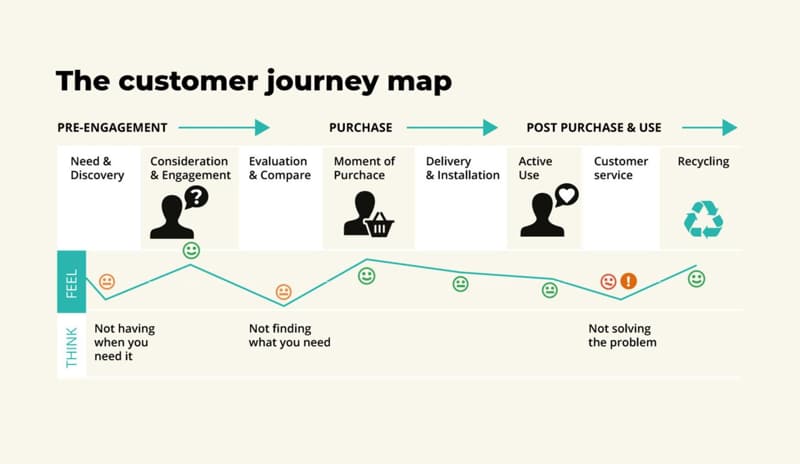
The customer journey isn’t a straight path. It’s a saturated marketplace with too many signboards, distractions, and side alleys. Customers aren’t always ready to buy. They wander. They hesitate. They circle back. They get distracted by something better. Then they forget why they came in the first place. And this is exactly why video works so well.
The First Encounter
Most people first discover your brand while doomscrolling. They’re on Instagram Reels half-asleep. Killing time on Facebook during a commute. Watching YouTube Shorts while pretending to focus on work. Basically, they are overstimulated.
You don’t have minutes here. You have seconds. Sometimes less. And let’s be honest, nobody is emotionally prepared to read paragraphs when they’re just trying to survive the day. This is where short-form video shines. Realistically speaking, you’re not competing with other brands here. You’re competing with memes, gossip, food videos, and that one reel someone rewatched three times for no reason.
Early Interest
Once your video catches their attention, they stop scrolling. That alone is a small miracle. Now comes the fragile part; curiosity alone is not enough. Next comes skepticism. At this stage, you will be critically judged.
Educational and explainer videos step in here for one simple reason: they reduce mental effort. Instead of asking people to imagine how something works, you show them. Instead of listing features, you walk through a process. Instead of forcing comparisons through text, you let the viewer see differences for themselves.
Most products and services are kind of boring when explained badly. Long paragraphs, vague claims, and “industry-leading solutions” don’t help anyone understand anything. This is where educational and explainer videos step in. You can show how something works instead of describing it. You can compare options visually.
“Sounds good, but what’s the catch?”
This is the stage where they start contemplating. People start asking questions like:
- Is this worth the money?
- What if I regret this?
- What if it doesn’t work?
These questions don’t show up as comments or emails. They stay in people’s heads. And once they’re there, no amount of “Trusted by 10,000+ customers” text is going to make them disappear. Text-heavy FAQs don’t help much in this scenario.
Not because the information is wrong, but because reading feels like homework. It asks people to trust claims and fill in the gaps themselves. Video handles this moment better. A product demo doesn’t say “easy to use.” It shows how few steps it takes. The viewer isn’t being persuaded; they’re observing.
A video makes the viewer believe they are in control. They can pause. Rewind. Skip ahead. Leave if they want. Ironically, that illusion of free will makes the decision feel less risky. Retargeting videos work for the same reason. They work as a gentle reminder to revisit the product.
Video Is No Longer a Marketing Choice, It’s Market Literacy
In today’s dopamine-fueled digital landscape, video isn’t a side project. It’s market literacy. If your brand is on board, you need video marketing to stay in the game. Scroll-stopping clips, bite-sized tutorials, heartfelt testimonials; these aren’t mere gimmicks. They speak directly to your audience.
The brands that get this, are are most successful. They’re the ones whose content sparks conversations. Meanwhile, businesses that hesitate are fading into the background. Ngital helps brands stop being background noise and start being the stuff people actually notice and talk about. Short clips, Reels, tutorials, whatever fits your vibe; we make it happen.
So, what’s it gonna be? Let your competitors steal the spotlight, or finally grab it for yourself? The clock’s ticking.